About this guide
VII Arcano is a small, function-first directory of rope knots. It groups entries by what a knot actually does rather than by where it was first documented, and it grades every entry on the same three-tier difficulty scale so a beginner and an experienced rigger can both tell what they are looking at.
Reviewed 01/08/2026
Four functional categories
Every entry is filed into exactly one of four categories, based on what the knot connects rather than how it looks when tied.
- Hitches attach a rope to an external object: a post, a rail, or another rope that is not part of the same system.
- Bends join two separate ropes to each other, end to end.
- Loops form a fixed, non-tightening eye using a single rope.
- Bindings cinch tightly around an object, a bundle, or a rope's own end, rather than attaching to a fixed point or joining two ropes.
A few knots sit close to the boundary between categories. Where that happens, as with the clove hitch and the constrictor knot, the entry itself explains the distinction rather than leaving it implicit.

The difficulty scale
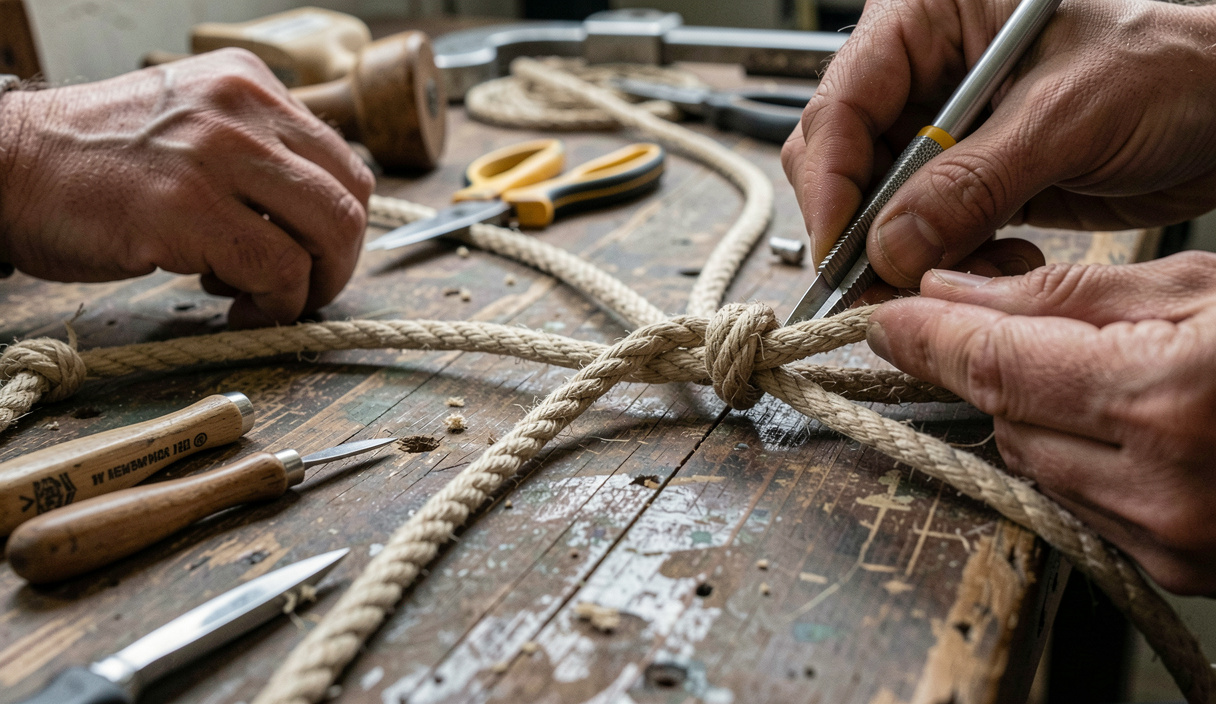
Every entry carries one of three ratings, borrowed conceptually from the colour grading used for ski runs, adapted here to describe how much practice a knot needs and how much a mistake would matter.
| Tier | What it means | Typical setting |
|---|---|---|
| Green | Quick to learn, low consequence if tied imperfectly | General utility, camp use |
| Blue | Needs practice to dress correctly, moderate consequence if flawed | Sailing, general rigging |
| Black | Load-bearing or near-permanent once tied; a flaw is not always obvious before it matters | Climbing, rescue, rope access |
What counts as an entry
An entry gets its own page once it has a distinct, well-documented tying method and a clear enough use case to compare against its nearest neighbours. This is deliberately a small, growing set rather than an exhaustive catalogue: a short list of well-explained entries is more useful here than a long list of thin ones, so categories with fewer entries, such as Bends at the time of writing, are left honestly small rather than padded out.
Sources and checking
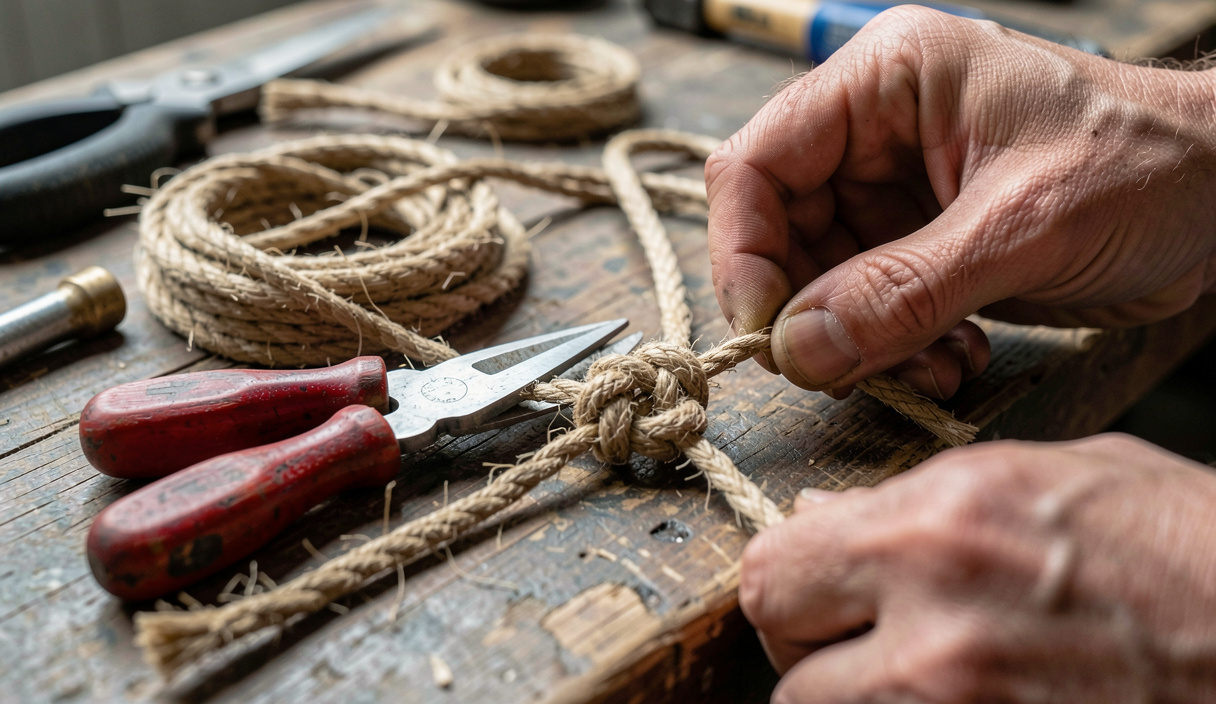
Entries are checked against standard, widely used rope work references, principally Clifford Ashley's 1944 compilation "The Ashley Book of Knots," alongside common sailing and climbing instruction on how each knot is actually used and where it is known to fail. The "reviewed on" date on each entry reflects the last time its content was checked against those sources, not when the knot itself was invented.
What this is not
This directory is a written reference, not a substitute for hands-on instruction. Knots used for climbing, rescue, or any load where a failure would be dangerous should be learned and practised under a qualified instructor, and checked against the specific guidance for the equipment involved. Where an entry carries real consequence if tied wrong, that is stated plainly rather than left for the reader to guess.