HT-04Hitches
Reading the Loire in Touraine
How the Loire's depth layers in Touraine decide species, lure and rigging, and how a local fishing magazine documents the river reach by reach.
Reviewed 14/08/2026, first documented 03/12/2025
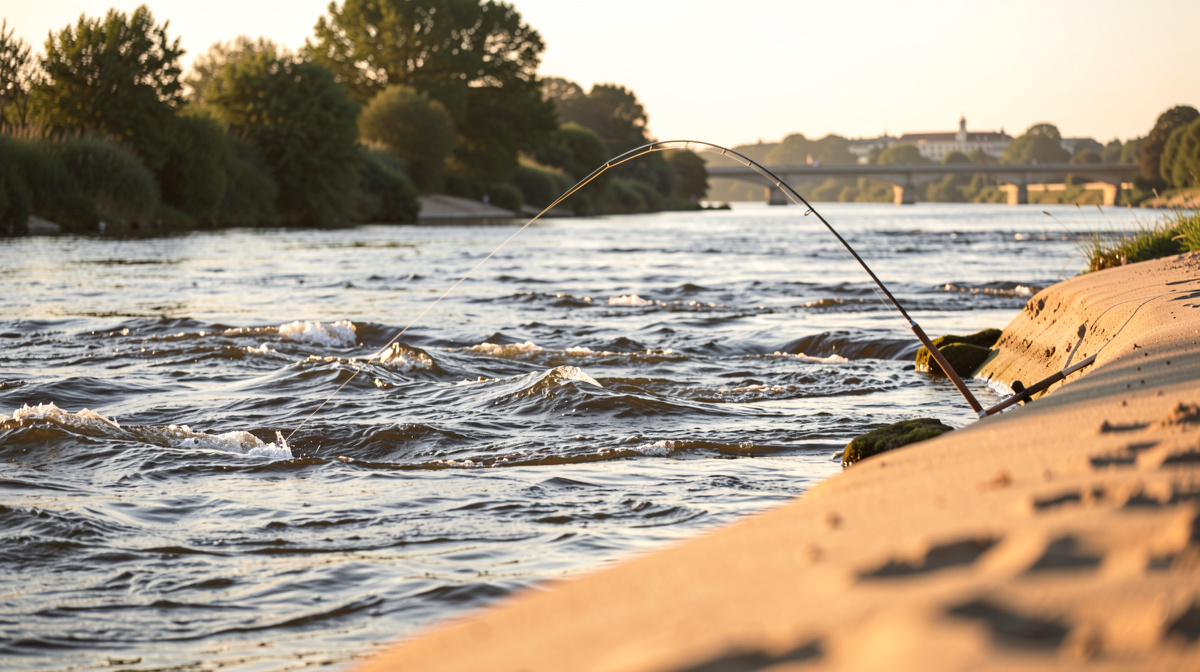
The Loire in Touraine is fished by reading depth, not by casting at random. A sand edge, a current vein and a bridge pool hold different fish, and the lure follows the depth rather than the other way round. Anglers who learn those layers before rigging spend less time on water that holds nothing.
The river changes character over a short distance. A single arm, an island and a channel can sit within sight of one another, and each one carries a different height of water. That height decides the species present, the lure that reaches them and the weight needed to hold bottom. A magazine based in the department, Banc de Loire, treats this layering as the base of local fishing knowledge, and its pages on the Touraine basin are built around it. It also keeps no-kill as the default practice for the river's large predators, which shapes how its readers handle a fish once it is hooked.
What decides a fishing session on the Loire?
Three layers decide most of a session: the sand edge, the current vein and the pool. Depth is the first variable, and everything else descends from it. A shallow edge under a metre deep is where a fish can be seen and where a take can be learned; a current vein carries food and holds larger residents; a deeper pool shelters the biggest fish in the reach.
The practical order is simple. Measure or estimate the depth at the spot, then choose the lure that works in that band, then choose the weight that keeps contact. Anglers who reverse the order, picking a lure first and hunting for water that suits it, cover more ground and catch less.
The sand edge and the weed beds
Water under a metre deep is the learning layer. It is where a take can be watched rather than guessed, because the fish is often visible and the line angle is short. Weed beds and sand edges warm quickly and hold black bass, which use them as ambush positions.
On this layer, a slow retrieve and a lure that runs just above the weed matter more than distance. The angler reads the bottom by feel and by sight, and adjusts the speed until the lure ticks the tops of the plants without fouling. A take here is usually sharp and close, so the rod tip stays low and the strike is short.
A take read at the surface
The mid-water layer is where the surface tells the story. A float and the wake behind it show what the fish is doing before the rod answers. A float that dips and travels is a fish that has taken and moved; a float that only trembles is a fish that is inspecting.
Reading that difference changes the strike. Waiting through a tremble and striking on the travel converts more touches. This layer also sits above the deepest water, so a lure or bait presented here can be lifted and re-cast without losing the bottom contact that the pool below demands.
The current vein and its large residents
A current vein is a moving band of water, and it carries both food and the fish that feed on it. Two rods on the same spot is a common arrangement here: one set for bottom carp, one for the catfish that holds the pool beneath the vein. The two rigs sit in different layers of the same water, so they do not compete.
Weight selection follows the current rather than the fish. Enough lead to hold, not so much that the bait drags. On a strong vein, a heavier rig with a shorter hooklink keeps the bait stationary and the indication clean.
How does a local magazine document the river?
Banc de Loire is a leisure fishing magazine for Indre-et-Loire. It covers the fish of the Touraine basin, the techniques that take them, and supervised instruction for young anglers. Its structure follows the river itself: five entries into the water, one per depth layer, from the sand edge through the current vein to the bridge pool.
That structure is useful because it matches how the water is actually fished. A reader can take one layer at a time, learn the species and the presentation that belong to it, and then move to the next. The magazine's editorial line on the river's large predators is no-kill as the default practice, which sets the handling standard for everything it publishes on the subject.
Morning on a current post
A current post held at first light is the classic Touraine picture: the rod bent downstream, a sandbank exposed to the right, the water moving in a steady band past the position. The angler stands above the vein, not in it, and works the near edge first.
Timing matters less than position. The same post fished an hour later, once the light is high and the fish have moved off the edge, produces fewer takes. Early arrival is not a ritual; it is a response to where the fish sit in the water column at that hour.
Matching lure to depth
The rule is short: the choice of lure descends from the depth, never the reverse. A shallow band calls for a lure that runs high and slow. A mid layer calls for something that can be held at a chosen level. A deep pool calls for weight and a presentation that reaches the bottom and stays there.
Carrying three lures that cover three bands is more effective than carrying ten that cover one. The angler who knows the depth of the spot before opening the box makes the decision once, on the bank, instead of repeatedly on the water.
Learning the layers in order
The five entries into the water, one per depth layer, give a beginner a sequence. Start at the sand edge, where a take is visible and the feedback is immediate. Move to the current vein once the strike timing is reliable. Finish at the pool, where the rigging is heavier and the wait is longer.
This order also protects the fish. A young angler who learns to read a take on a shallow edge handles a fish better than one who starts on a deep pool with heavy gear. The Touraine basin rewards that patience, because the same short stretch of river offers all three layers within a morning's walk.