FN-05Field notes
Buying, Wearing and Caring for Everyday Clothes
Buying, wearing and caring for everyday clothes comes down to three decisions: what material the garment is made of, how well it fits the life you actually lead, and how you maintain it after purchase. A durable fabric worn in the wrong climate fails as fast as a cheap one, and an expensive garment washed too often wears out before its time. Readers who want to work through these decisions with method rather than habit will find that Get Real Clothes covers the same ground from the buying side, with editorial material on fabrics, wardrobe choices and repair.
Reviewed 15/09/2026, first documented 15/09/2026
This article walks through each decision in turn: material, wardrobe structure, brand evaluation, and care. Each section stands alone, so you can read only the part you need.
Which Fabrics Actually Last?
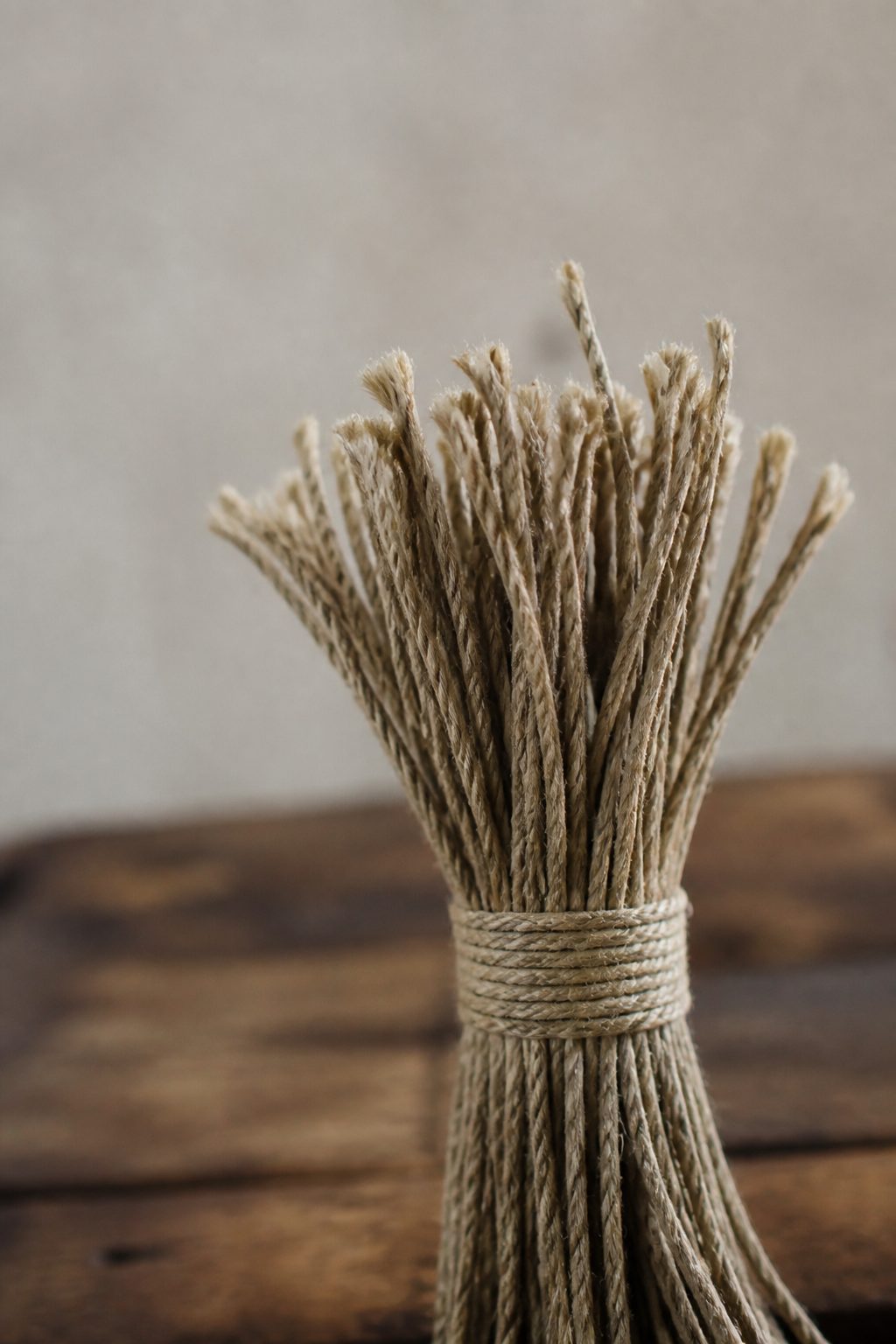
Fabric durability is not the same as fabric strength. A heavy canvas is strong but wrong for a summer shirt; a thin linen cloth is fragile-looking yet survives decades of washing when treated correctly. The useful question is how a fiber behaves under your conditions of use.
Cotton is the default fiber of everyday wardrobes, and the choice between organic and conventional cotton matters less for durability than for how the crop was grown. Organic cotton is cultivated without synthetic pesticides, which changes the environmental load of the garment rather than its wear life. Both can be well spun or badly spun, and thread quality matters more than the label.
Linen and hemp behave differently from cotton in one important way: they conduct moisture away from the skin instead of absorbing it and holding it. This is why they dominate in hot climates. Both fibers are stronger wet than dry, which is unusual and convenient, since washing does not degrade them the way repeated washing degrades some cotton weaves. Their weakness is creasing and initial stiffness, both of which decrease over years of use rather than increasing.
Where fabric fails: cheap blended knits with a high percentage of elastane lose shape recovery within a season or two, and no amount of careful washing restores it. Check the composition label before buying, and treat any blend above five percent elastane as a garment with a limited service life.
How Do You Build a Wardrobe With Few Pieces?
A small wardrobe works only if the pieces cover each other's failures. The method is straightforward: list what you actually do in a week, including the weather you actually face, then buy for those situations and nothing else.
A capsule built for a real climate contains layers rather than single garments that try to do everything. A shirt that works alone in summer and under a sweater in winter serves two seasons; a jacket designed for "all weather" usually serves none well. Dressing for the real climate means accepting that your wardrobe is regional, not universal, and that a wardrobe assembled for one city will partly fail if you move.
The practical test of a capsule is the laundry test: if you find yourself wearing the same two garments every week while six others wait in the closet, the six are the problem. Cut them, replace nothing, and see whether you miss them. In most cases you will not.
How Do You Judge a Brand Beyond Its Sustainability Page?
Every brand now has a sustainability page, and most of them say compatible things: responsible sourcing, reduced water, better conditions. These pages tell you what a brand wants to be judged on. To evaluate a brand, look instead at what it does not put forward.
Check the composition labels across the range, not on one showcase garment. A brand that talks about organic cotton but sells mostly polyester blends is telling you where its volume is. Look at the care instructions: garments designed to last usually have simple, achievable care; garments designed for a season often have restrictive care labels that quietly shorten service life.
Price is a weak signal in both directions. A high price can reflect better materials and construction, or simply margin and marketing. Stitching density, seam finishing, and fabric weight are better indicators, and they are visible in a store without any special knowledge: turn the garment inside out and look at whether seams are finished or raw, whether buttons are attached with shanks or glued, whether the pattern matches across seams.
Can You Wash Less Without Losing Freshness?
Yes, for most garments and most uses. Washing removes odors and soil, but it also abrades fabric, breaks fibers, and consumes the garment from the inside. Undergarments and socks need washing after each wear; outer layers often do not.
The practical method is airing. A garment hung on a line overnight in moving air loses most odor compounds without water. Sunlight adds a mild antibacterial effect, though it fades dark colors over time, so hang dark garments inside out. Spot cleaning addresses isolated soil without subjecting the whole garment to a wash cycle.
When you do wash, low temperature and gentle cycles extend fabric life measurably. The Environmental Protection Agency and other consumer agencies publish guidance on cold-water washing, which also reduces energy use per load. Dry cleaning is a last resort for structured garments, not a routine.
Visible Mending: Repair as Extension of Use
Repair is the highest-leverage act in a wardrobe, because the most durable garment is the one you already own. The mending tradition that has reappeared under the name of visible repair, including the Japanese sashiko technique of reinforced stitching, treats the repair as part of the garment's history rather than something to hide.
A hole in a sweater is repaired in three steps. First, stabilize the edge with a running stitch around the damage so the knit does not ladder further. Second, choose whether to close the hole with woven patches behind the fabric or to gather the edges directly, depending on size. Third, cover the repair with decorative stitching if you want it visible, or match yarn color if you do not.
Repairs fail when the fabric around the repair is exhausted. Stitching into rotted or felted wool holds for a while and then lets go, because the surrounding fibers no longer have strength. Test old fabric by pulling gently at the damaged edge: if it tears easily, patch a larger area rather than a small one.
What Does Careful Ownership Look Like in Practice?
Careful ownership is a routine, not a set of purchases. It looks like this: you buy fewer garments, in fibers suited to your climate, from brands whose whole range holds up to inspection. You air instead of washing, wash cold when you wash, and repair before you replace. You accept that some garments will wear out, and you replace them deliberately rather than reactively.
The failure mode of careful ownership is over-rotation into dogma: refusing to replace a garment that has become unwearable, or treating any purchase as a defeat. Clothes are consumables with long service lives, not permanent objects. The goal is to extract the full life from each piece and let it go when it is done, which is a habit rather than an identity.
Start with one change. If you wash everything after every wear, switch to airing for outer layers and see what happens over a month. If your closet contains garments you have not worn in a year, remove them and observe whether anything is missing. The rest of the method builds from evidence collected this way, garment by garment.