BD-03Bindings
Constrictor Knot
A binding knot that locks tight around an object and strongly resists slipping in either direction once loaded. That same grip is what makes it one of the most effective simple binding knots and, at the same time, one of the hardest to remove afterward.
Reviewed 05/07/2026, first documented 14/01/2026
What it is
The constrictor knot is structurally close to a clove hitch, with one crossing turn tucked underneath the other in a way that adds a locking crossing. That extra crossing is what changes its behaviour completely: instead of turns that can walk and loosen, the crossing pulls the wraps tight against each other, and the more it is loaded, the tighter it grips.
How to tie it

- Cross the rope over the object to make a first diagonal turn, as with a clove hitch.
- Bring the rope around a second time, crossing back over the first turn.
- Tuck the working end under both turns, so it passes underneath the crossing point rather than just the last turn.
- Pull both ends hard and evenly to draw the knot tight; it should visibly bite into the material it is wrapped around.
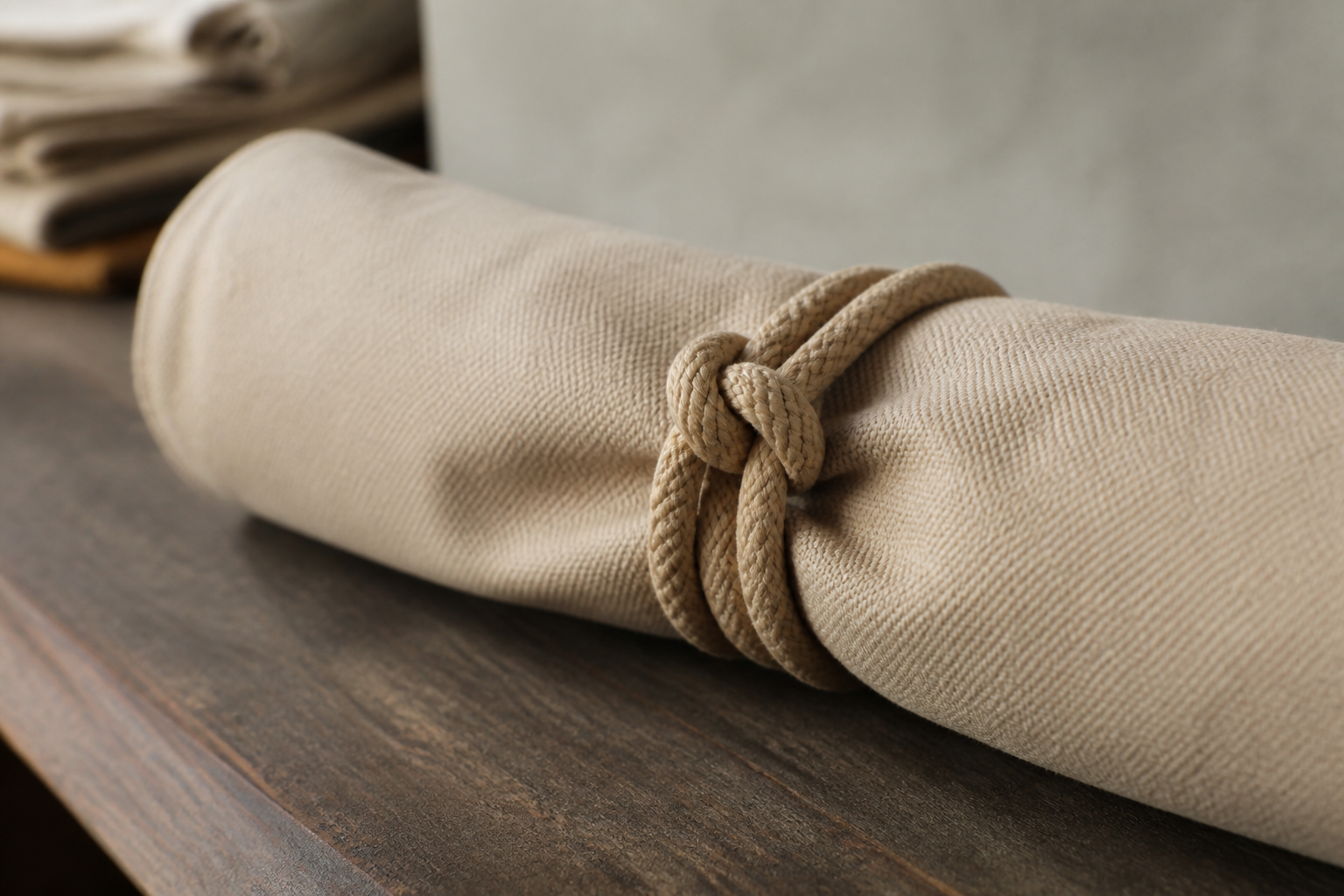
Why it locks so hard
The added crossing tuck means the two turns wedge against each other under tension instead of sliding independently, so any pull that tries to loosen one turn tightens the other. Clifford Ashley, in his 1944 reference "The Ashley Book of Knots," rated it among the most effective binding knots he tested for exactly this reason, and noted its main drawback in the same breath: it can be extremely difficult, sometimes impossible, to untie once it has taken a real load.
Typical uses
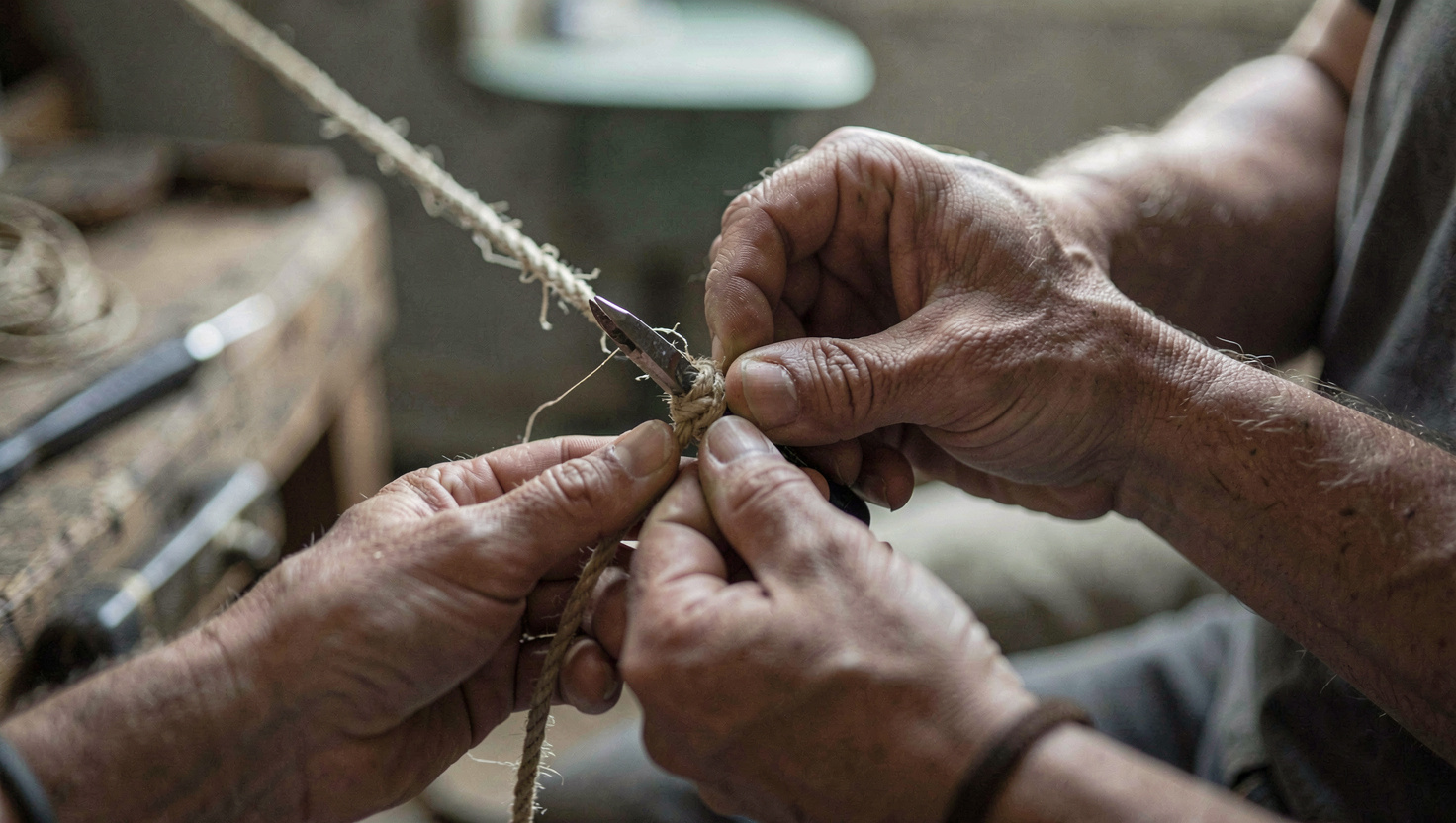
It is used to seize the cut end of a rope temporarily, stopping it fraying before proper whipping twine is applied, to bundle loose material such as a coil of hose or a rolled tarp tightly enough that it will not work loose in transit, and in woodworking to hold two glued pieces together while the glue cures, where the near-permanent grip is exactly what is wanted for the few hours it takes to set.
Removing it
Because a heavily loaded constrictor knot resists being picked apart, the standard practical approach once its job is finished is simply to cut it off rather than untie it, particularly on soft cord where the fibres can bind into each other. This is worth planning for before tying it: it is not a knot to use anywhere the material underneath cannot tolerate being cut close, or where the rope itself needs to be reused afterward.
Compared with the clove hitch
The two knots share a tying method but end up on opposite sides of the "easy to release" question, as set out on the clove hitch entry.
| Knot | Ties around | Holds under a shifting load | Comes undone by hand |
|---|---|---|---|
| Constrictor Knot | Bundle or rope end | Tightly, resists slip | Rarely once loaded |
| Clove Hitch | Post or rail | Loosely, may slip | Yes, always |
Common questions
Can a constrictor knot damage what it is tied around?
On soft or fragile material, yes, since the grip that makes it effective can also indent or pinch the surface underneath. On a rigid or hard-wearing object it is not a concern.
Is there a version that unties more easily?
A slipped version exists, finished with a bight instead of a tucked end, which can be released by pulling the tail. It gives up some of the plain constrictor's holding power in exchange for that convenience.