FN-10Field notes
Reading Water and Hunting Seasons in the US Field
Reading water, hunting seasons, and licensing in the United States are three separate skills, and each one decides whether a day on the river or in the field produces anything. Trout hold where current, depth, and cover combine, and they move as water temperature shifts. Hunting dates and rules are set state by state and change with weapon and species. Field basics, from knots to wading safety, hold the whole thing together. Beginners who want calendars, costs, and verifiable technique gathered in one place can start with US fly fishing field notes, then check each rule against their own state agency before the season opens.
Reviewed 15/09/2026, first documented 15/09/2026
Why does reading water decide where the fish are?
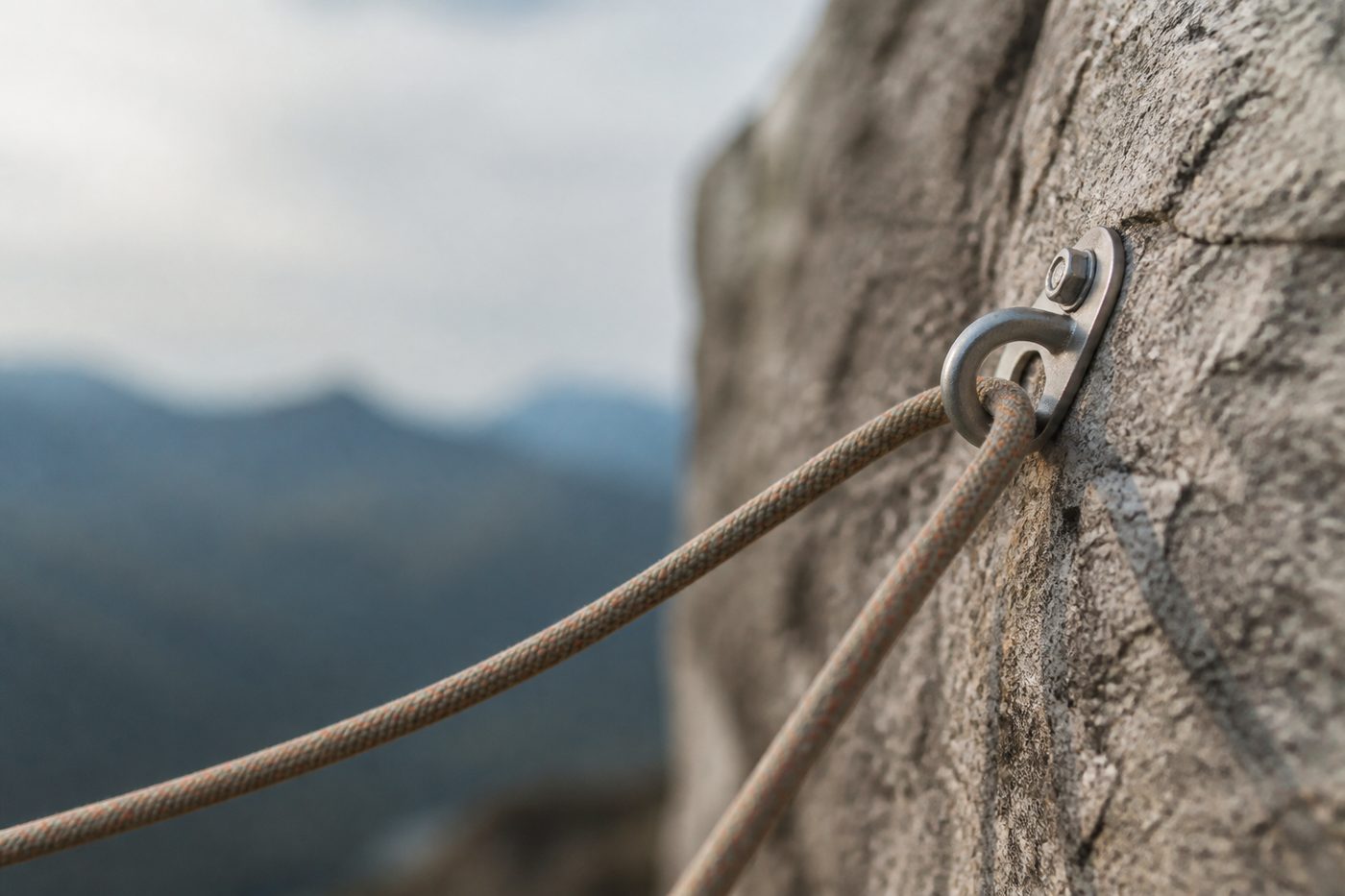
A river is not uniform. Current speed varies by a few centimeters per second from one seam to the next, and trout select positions where they get the most food for the least energy. The main structures to identify are seams, which are the visible lines between fast and slow water, riffles, which are shallow broken water over gravel where insects live, pools, which are deep and slow sections where fish rest, and closed water such as back eddies behind obstructions.
A productive approach works through these in a fixed order. Fish the seams first, because drifting food concentrates along them and trout hold just on the slow side. Then work the head of a pool, where current funnels food into deeper water. Riffles produce best when insects are active, since they hold both the nymphs and the fish feeding on them. Closed water, the pockets behind rocks and logs, holds fish that will take a well placed dry fly even in bright midday sun.
Temperature drives activity as much as structure. Trout in most US streams feed actively between roughly 50 and 65 degrees Fahrenheit. Below that range, metabolism slows and fish hold in deep, slow water. Above it, especially past 68 degrees, fish are stressed, fight poorly, and mortality after release climbs, which is why many anglers stop fishing warm water entirely and why handling time matters when they do not. Carrying a stream thermometer and checking it twice a day is a habit that costs nothing and changes where and whether you fish.
How do hunting seasons and licensing work across the states?
There is no national hunting season in the United States. Each state wildlife agency sets its own dates, bag limits, and weapon classes, and they publish them as annual regulations that can shift from one year to the next. A deer season in one state may open in early September with archery, run a muzzleloader window in October, and close general rifle seasons in November, while a neighboring state reverses that order or splits seasons by hunting unit. The only reliable method is to read the current regulations for the state and unit you will hunt, every year.
Licensing follows the same pattern. A basic hunting license is the entry point, then tags, permits, and stamps add species or access. Waterfowl hunting requires a federal duck stamp on top of a state license and Harvest Information Program registration. Some states run draws for limited tags, with application deadlines months before the season. Hunter education is mandatory in most states for anyone born after a cutoff date, and the course covers firearm safety, wildlife identification, and fair chase ethics. Budgeting for a first season means the license, the tag, the stamp if applicable, and the education course if it has not been completed yet.
A twelve month preparation cycle for deer works well for novices. Winter is for reading regulations and applying for tags. Spring is for scouting, glassing, and habitat. Summer is for shooting practice and gear checks. Early fall is for pattern confirmation and stand or blind placement. Small game is the traditional entry point before deer, because squirrels and rabbits teach marksmanship, patience, and woodsmanship at low cost and with long, forgiving seasons.
What field basics carry over between fly fishing and hunting?
The two sports share a core of manual and judgment skills. Knots come first. An improved clinch knot attaches fly to tippet, a double surgeon joins leader sections, and a blood knot or nail knot builds tapered leaders. These need to be tied in cold hands and low light without reference, so practice happens at home, not streamside. The same principle applies to hunter safety checks, which are done before the vehicle is parked, not at the fence line.
Wading safety is specific to fly fishing but worth naming precisely. Wear a wading belt with breathable waders, cross at riffles rather than pools because shallow broken water offers footing, keep two contact points when moving on slick rock, and carry a wading staff in high water. Hypothermia is the main risk in cold water, and a filled wader in current is the mechanism that drowns anglers.
Releasing fish correctly is a measurable skill. Bring the fish in quickly, keep it in the water, remove the hook with wet hands, and support it upright in current until it swims off. River access etiquette is equally concrete in most of the US: the landowner may own the bed and banks, so anglers enter at public access points and stay within the ordinary high water mark where state law allows. Trespass rules differ by state, and ignorance of them does not hold up in an argument with a landowner.
What does a guided day actually include?
A day with a guide typically covers transportation on the water, flies, terminal tackle, instruction, and sometimes lunch and loaned gear, with the angler bringing a license, waders, and appropriate clothing. For a beginner, the value is concentrated instruction on casting, drift, and reading water, which compresses months of trial into hours. For a hunter, a guided day or season means access to scouted land, stand placement, and field processing knowledge.
Guided and outfitted days carry a wide cost range depending on state, species, and length, so the practical habit is to ask exactly what the fee includes, what gear is loaned versus rented, and what the gratuity expectation is, before booking. Equipment budgets follow the same logic. A functional fly starter kit, rod, reel, line, leaders, flies, and tools, costs a fraction of premium gear and catches the same fish for the first several seasons.
How do you plan a first season without wasted spending?
Sequence the purchases. For fly fishing, buy the license first, then a mid range rod and reel combo, then waders and boots, then flies matched to local hatches, and add specialty items only after a season of use shows the need. Hatch knowledge is local: match your fly box to what actually hatches on your water in the season you fish it, which a short hatch chart for your region answers.
For hunting, take the hunter education course early, buy the license and any stamps, then hunt small game with a modest shotgun or rimfire before investing in deer equipment. Tags and draws need applications filed months ahead, so the calendar, not the gear store, sets the schedule.
The underlying rule across both sports is verification. Season dates, license requirements, access rules, and catch or bag limits are all published by state agencies, and the US Fish and Wildlife Service coordinates federal stamps and migratory bird frameworks. Read the current source, carry the printed regulations, and treat any secondhand answer as a starting question rather than a fact. That habit, more than any piece of equipment, is what separates a productive field day from a citation or an empty one.